
By Katherine Rasmussen
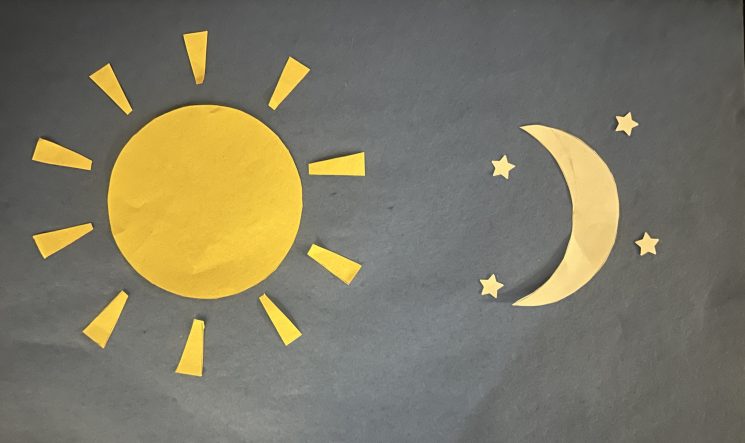
Some people wake up ready to conquer the world. Others don’t feel truly awake until the sun is going down. These patterns, known as chronotypes, are more than just personal preference. They may actually influence how well students do in school.
Chronotypes describe when a person naturally feels most alert and focused. Morning types, often called early birds, perform best earlier in the day. Night owls, on the other hand, tend to feel sharper in the evening. According to research published in Nature Communications, these tendencies are tied to biology and genetics, not just habits or sleep choices.
The problem for many students is that school schedules are typically designed for morning people. Most high schools start before 8 a.m., which doesn’t align with the natural sleep cycle of teenagers. During adolescence, the body clock shifts later, making it harder to fall asleep early and wake up at dawn.
Studies have shown that this mismatch between a student’s chronotype and the school schedule can hurt academic performance. A report from the University of California found that students whose internal clocks matched their daily routines had higher grades than those who were out of sync. Night owls in particular tended to score lower, not because they were less capable, but because they were asked to learn and test at times when they were least alert.
The American Academy of Sleep Medicine recommends that middle and high schools start no earlier than 8:30 a.m. to better support teen sleep needs. In districts that have pushed start times later, students have reported improvements in focus, attendance and mental health.
Still, not every school can adjust its schedule. Experts say students can benefit from learning how to manage their energy based on their chronotype. Night owls may do better if they plan their hardest tasks for later in the day, while early birds might want to tackle tough assignments first thing in the morning. Consistent sleep routines and reducing screen time before bed can also help students stay more alert during school hours.
Whether you are a morning person or someone who hits their peak after sunset, knowing your natural rhythm can help you make better decisions about how and when you study. Success in school is not just about how hard you work, but also about when you work best.