
By Katherine Rasmussen
Most people have heard someone describe themselves as “Type A” or “Type B,” especially when talking about stress, school or work habits. These labels come from personality theory and are meant to explain how people tend to approach challenges, time and pressure. While Type A and Type B personalities get the most attention, there is a third group that is often overlooked: Type C. And when you really break it down, Type C people may have the strongest mindset of them all.
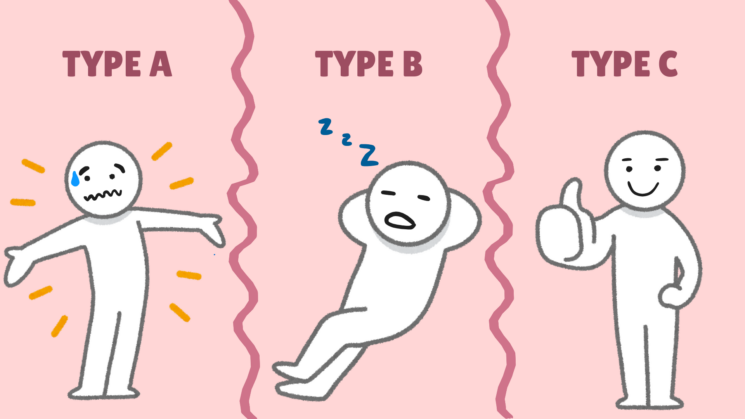
TYPE A
Type A personalities are known for being competitive, driven and intense. They like structure, deadlines and being in control. Type A people often push themselves hard in academics, sports or leadership roles, and they usually hate wasting time. While this can lead to success, it also comes with downsides. Type A individuals tend to experience higher stress levels, impatience and burnout because they feel constant pressure to achieve more.
TYPE B
Type B personalities sit on the opposite end of the spectrum. They are more relaxed, easygoing and less affected by stress. Type B people value balance and tend to go with the flow rather than fight against it. This makes them pleasant to work with as they remain calm under pressure. However, their laid-back nature can sometimes turn into procrastination or a lack of urgency, especially in high-pressure environments like school or competitive careers.
TYPE C
Then there are Type C personalities, who combine the best qualities of both while avoiding many of the weaknesses. Type C people are thoughtful, analytical, patient and emotionally controlled. They tend to be detail-oriented and careful decision-makers who value accuracy over speed. Unlike Type A individuals, Type C people are not driven by competition or ego. Unlike Type B individuals, they are not careless or unmotivated. Instead, they focus on doing things the right way.
WHAT MAKES TYPE C DIFFERENT?
One major reason Type C people stand out is their emotional discipline. They rarely overreact and usually think before speaking or acting. This makes them excellent problem-solvers and dependable teammates. In group projects, Type C individuals are often the ones quietly holding everything together, checking facts, fixing mistakes and making sure the final result is solid. They may not seek attention, but their impact is undeniable.
Type C people also excel in environments that require focus and responsibility. Careers in science, medicine, journalism, engineering and research often attract Type C personalities because these fields reward patience, consistency and critical thinking. While Type A people may rush for quick results and Type B people may lose focus, Type C individuals are willing to put in steady effort over time.
Another advantage of Type C personalities is their ability to learn from mistakes. Instead of reacting emotionally or brushing problems aside, they analyze what went wrong and adjust. This growth-oriented mindset leads to long-term improvement rather than short-term wins. In school settings, this often means stronger writing, better research and more reliable academic performance over time.
Calling Type C people “superior” is not about putting others down. Every personality type has strengths. But in a world that constantly rewards loud confidence and nonstop productivity, Type C personalities offer something more sustainable. They prioritize thought over noise, precision over speed and results over recognition. These qualities may not always be flashy, but they are essential.
In the end, Type A people push the pace, Type B people keep things light and Type C people make sure things actually work. And in many situations, especially those that matter most, that makes all the difference.