

By Anh Thu Truong
In 2007, my dad, who comes from a family of camera enthusiasts, picked up the Canon PowerShot S400 — the first flimsy camera he used to document countless birthdays, first days of school, days spent running through our backyard and the first time I lost my stubborn tooth.
Before the time when a camera app sat conveniently in our back pockets, most families owned and used a digital camera instead. The most common cameras that emerged in the early 2000s were point-and-shoot models, sold by well-known manufacturers like Sony with its Cyber-shot line and Canon with its PowerShot line. These compact cameras had a sleek, modest design for simple use, making them easy for beginner photographers to operate.
Now, 18 years later, while my dad prefers the convenience of his iPhone, the comeback of these handheld digital cameras has become one of the defining trends among teenagers and young adults.
Just as Y2K trends continue to bring the early 2000s back into fashion, nostalgia is a huge selling point when it comes to the resurgence of these old camera models. The camera’s soft, grainy filter, vintage and retro-like feel— that long delay after clicking the shutter button — has captured the attention of a new generation yearning to experience the charm of the past.
This isn’t the first time an old-fashioned camera has gained popularity. Polaroid and instant photography cameras have also experienced a resurgence in recent years, with the nostalgia of the 1970s playing a major role in popularizing their comeback.
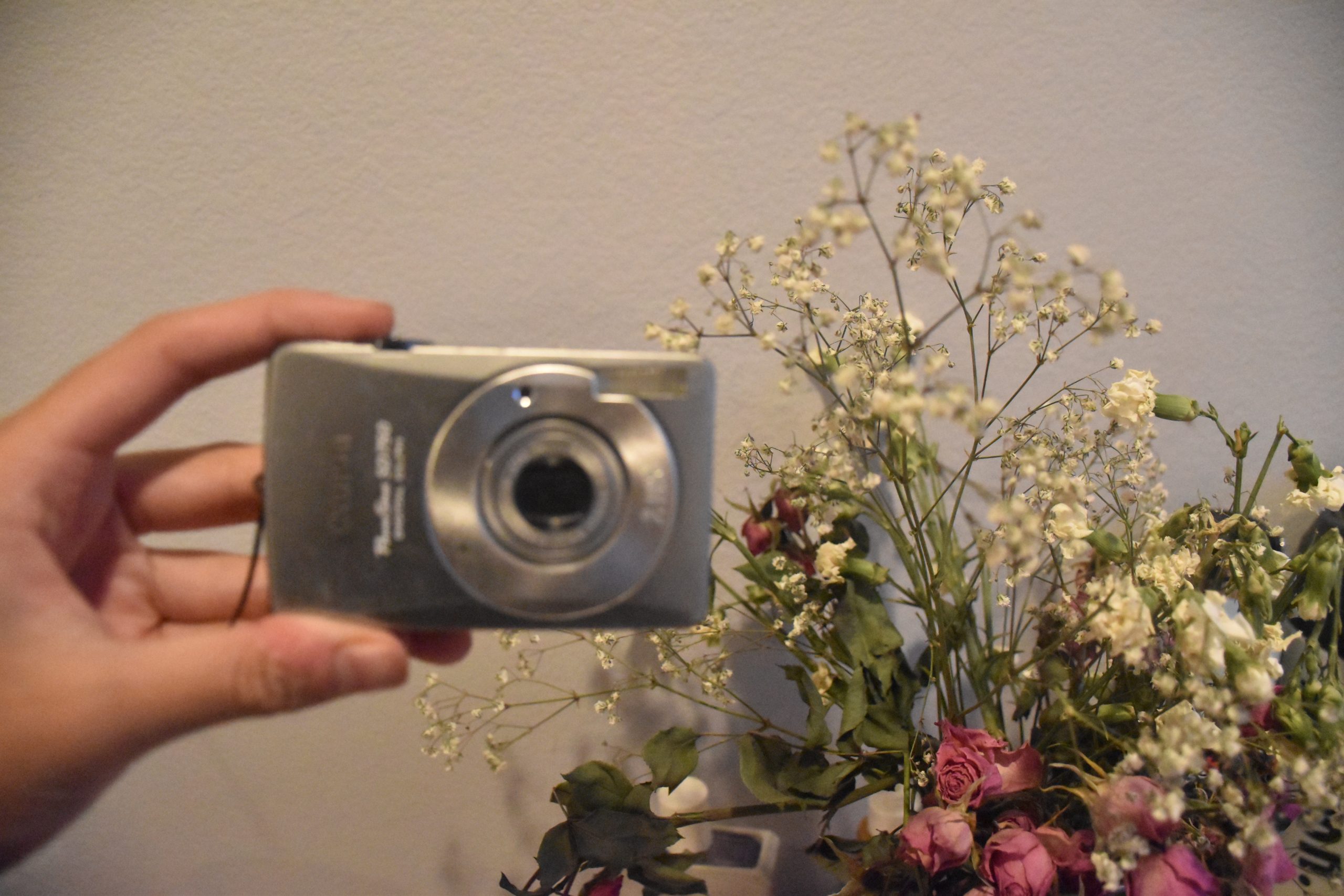
Digital cameras, however, don’t require the extra costs or expertise associated with handling a film camera. Most of the time, people already own one without even knowing it.
At Fountain Valley High School (FVHS), many students own a digital camera, often passed down to them from family members, making it a meaningful token.
Senior Jessie Nguyen owns a Sony Cyber-shot DSC-230, which dates back to 2009 and received it from her father.
“I think it’s sweet how you can express your happiest moments in something so small. It’s like a timeline of your life through photos,” Nguyen said. “Also, the quality of the digital camera will always beat iPhone quality.”
Senior Sophia Nguyen expressed similar sentiments about her Sony Cyber-Shot, which was passed down to her from her mother.
“I just really like how the camera quality looks, and all my friends love using it,” Nguyen said. “The quality almost feels affectionate and familiar.”
Yet, Nguyen further highlights some of the challenges of using an old-fashioned camera compared to an iPhone.
“Some people think it’s inconvenient using a digital camera because, oftentimes, you have to wait to get home, take out the memory card, and use an adapter to upload the pictures — it can be a whole process,” Nguyen said.
But even though the camera quality of Apple’s recent release, the iPhone 16, certainly doesn’t disappoint, there’s a semblance of rawness and realness present in retro cameras that offer a more candid-looking shot. That’s why we’re turning back to the past, using these vintage models in search of that unfiltered, authentic touch that the average smartphone can’t capture.
With social media platforms like TikTok and Instagram further propelling the trend, the digital camera market is expected to grow significantly as generations continue to keep these cameras around not just as an aesthetic token, but as a visual diary to capture moments with charm, nostalgia and authenticity.