
By Leroy Tran & Jayden Nguyen
The world was a different place in 2005—a new pope, soldiers in Iraq, the first ever YouTube video … The difference in two decades is astounding, and it’s especially striking in the social attitudes between then and now.
Think about this: same-sex marriage was only legal in one state—Massachusetts—in 2005. Same-sex marriage seems like an undeniable principle in a tolerant and equal system that the United States strives to uphold; however, just 20 years ago, same-sex marriage was either unrecognized or prohibited in 49 states. The LGBTQ (lesbian, gay, bisexual, transgender and queer) movement had come a long way by 2005, but it had yet to overcome the aversion of the state governments to gay rights and a less-tolerant society than what we’ve known for the last decade.
Sure, gay people enjoyed more social recognition than in the previous century, but still they faced oppression and wide mistreatment by society at large. Some of that lingers into the 2020s, but now, being LGBTQ is generally nothing of note to most people. In 2005, being gay was vastly disparate to being heterosexual.
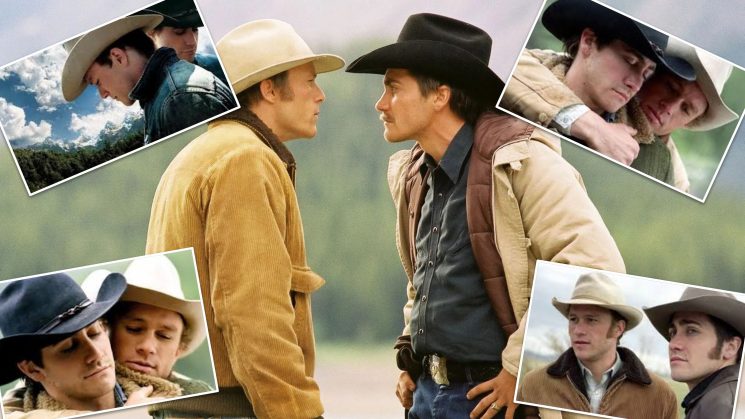
But then, in December 2005, Focus Features released the film “Brokeback Mountain” to theaters nationwide, and suddenly, the LGBTQ movement was thrust into the optics of pop culture and the media.
“Brokeback Mountain” revolves around the romantic relationship between two cowboys, Jack and Ennis, in 1960s Wyoming. For the protagonists’ relationship, the film is often dubbed the “gay cowboy movie”, although the film’s intimacy, passion and complexity make this label seem perverse. The film is otherwise phenomenal. It is captivating and complex, and thus it earned a Best Picture nomination, Best Director for director Ang Lee and two other awards at the 78th Academy Awards, alongside countless other accolades. More importantly, however, is the discussion that the film fostered.
When something of this film’s nature releases in the social environment of its release year, there is bound to be commentary of all kinds, praiseful or critical, and it is this sort of discussion that a question like that of LGBTQ acceptance finds answers in.
The conservative crowd was not fond of the film’s artistry; the avert queer themes of its plot was unavoidable and unbecoming of a film that needed to generate a profit. The gay “agenda,” the idea that the LGBTQ movement is forcing homosexuality onto heterosexuals, was simply unmarketable.
Yet, ”Brokeback Mountain” was extremely popular, successful and lauded as the reason LGBTQ media was propelled into the mainstream. Even in a time when homosexuality was still broadly taboo, the film’s intimate content touched the hearts of wide audiences, because “Brokeback Mountain” was more than a gay story; it was an artfully crafted depiction of love—a messy and bare love that stuck with viewers.
This is where “Brokeback Mountain” succeeded where most queer media fails. It left itself with the audience, and it’s important to understand how it did this: the experience of the homosexual characters feels profound, because the love is concrete and powerful. The film seems relatable, even when the LGBTQ experience, which is evidently very different than heterosexual dynamics, is not to most of its audience. The film wanted to portray love and portrayed it well. By doing that, it made a political statement: queer stories were valuable.
The failure of some LGBTQ media is their inability to move beyond “queerness.” When there is nothing of substance beyond LGBTQ representation, how is a heterosexual audience supposed to feel something for the story that makes them want to open their hearts? Simply including queer characters won’t incite positive change.
“Brokeback Mountain” moved people, regardless of sexuality. It was a gay story with universal messaging, and by resonating with so many people, gay stories felt universal, and that is why Hollywood was compelled to consider LGBTQ cinema. Films like “Milk”, “I Love You Phillip Morris”, “Moonlight”, “Call Me by Your Name” and “Everything Everywhere All at Once” may not have found support had “Brokeback Mountain” not left such an impression.
LGBTQ media should not be obliged to always make a political message, but Jake Gyllenhaal, Jack’s actor, reveals a truth that LGBTQ creatives have to face:
“I have always had a deep belief that every movie, every artistic expression, is political.”
So, when there are rights or acceptance to be fought for, queer stories can make a difference. Right now, in a very uncertain political and social climate, the struggle continues, and there is thus that need for powerful, eloquent storytelling.
If we want change, then we need more queer stories like “Brokeback Mountain.”