
By Alexander Tran
Every culture celebrates the new year, but East and Southeast Asian cultures are a tad different. They celebrate Lunar New Year, also known as Chunjie in Mandarin, Solnal in Korean and Tết in Vietnamese; other East and Southeast Asian countries like Tibet, Malaysia, Singapore and Indonesia celebrate as well but it’s not as prevalent. Essentially, while there are a few variations with how it’s celebrated, these celebrations are all in honor of the Lunar New Year.
Lunar New Year is derived from the lunar calendar which is based on the cycles of the moon, therefore, the dates of the holiday vary from year to year. Typically, the celebration begins between Jan. 21 and Feb. 20.
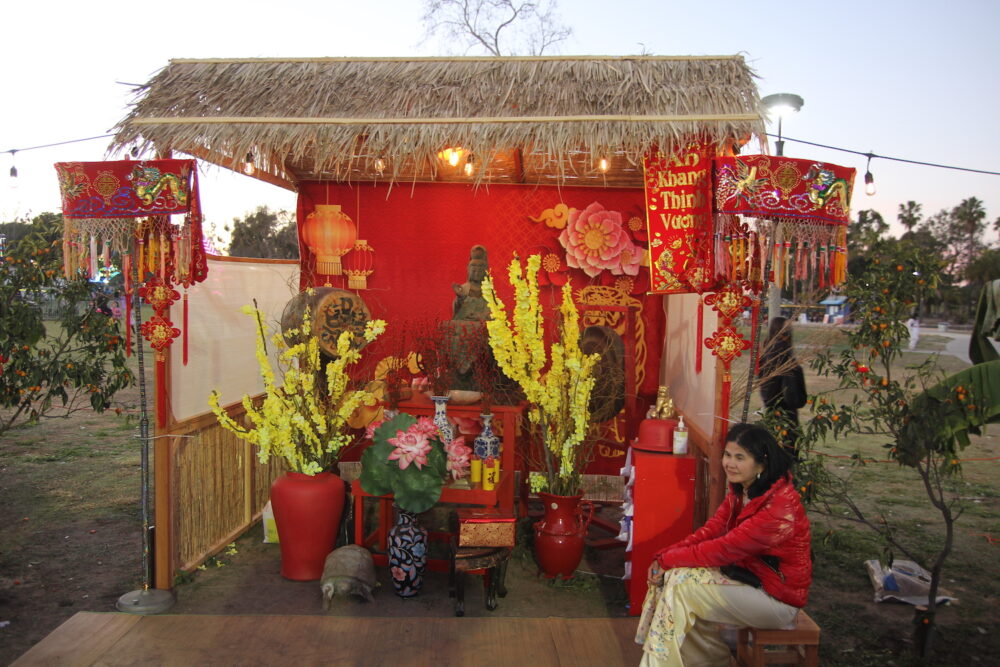
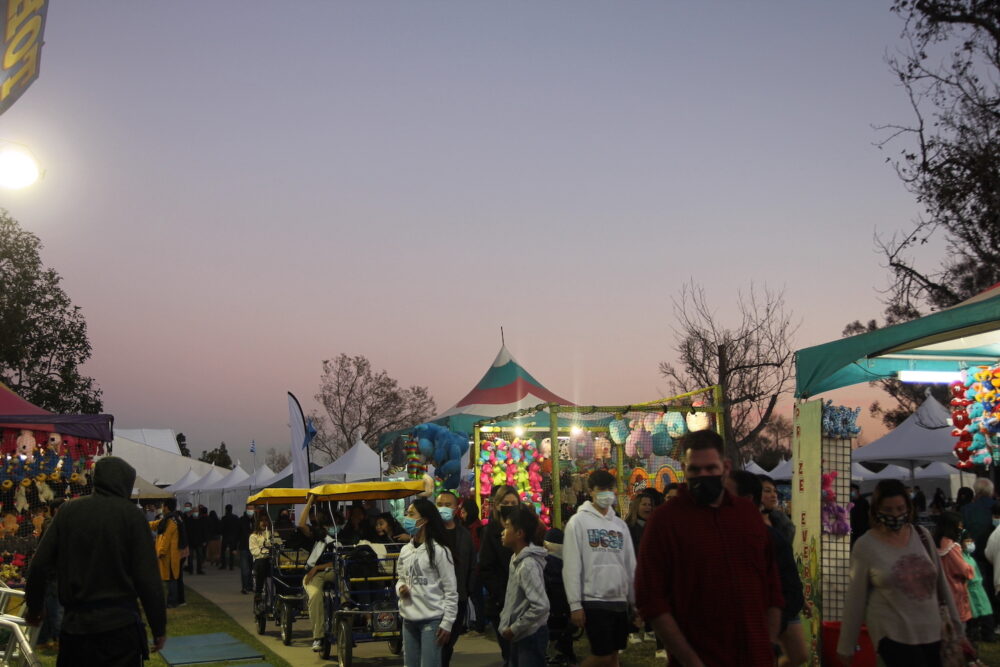
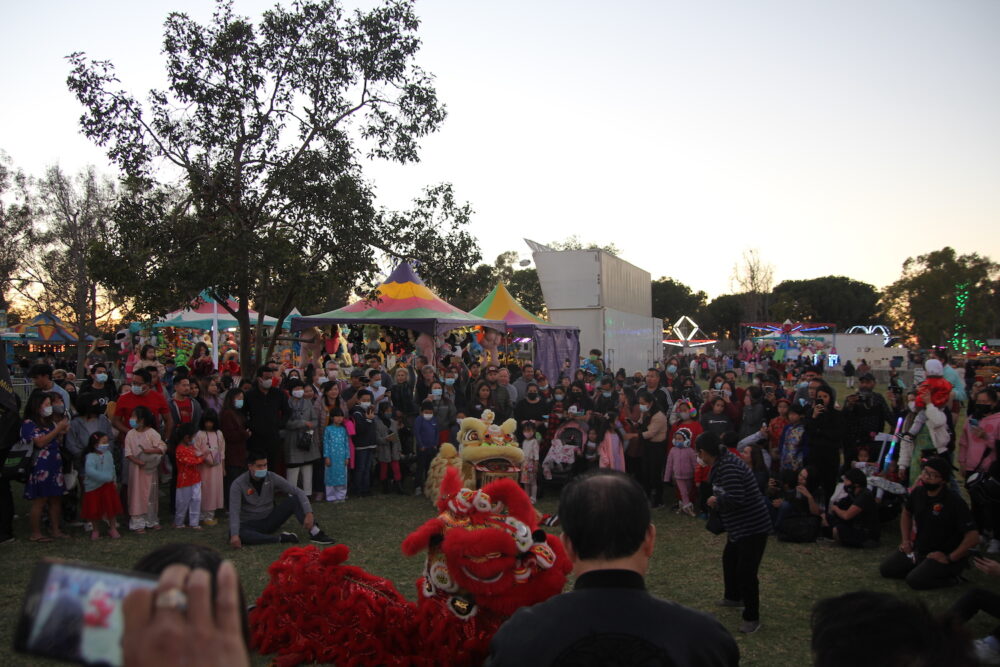
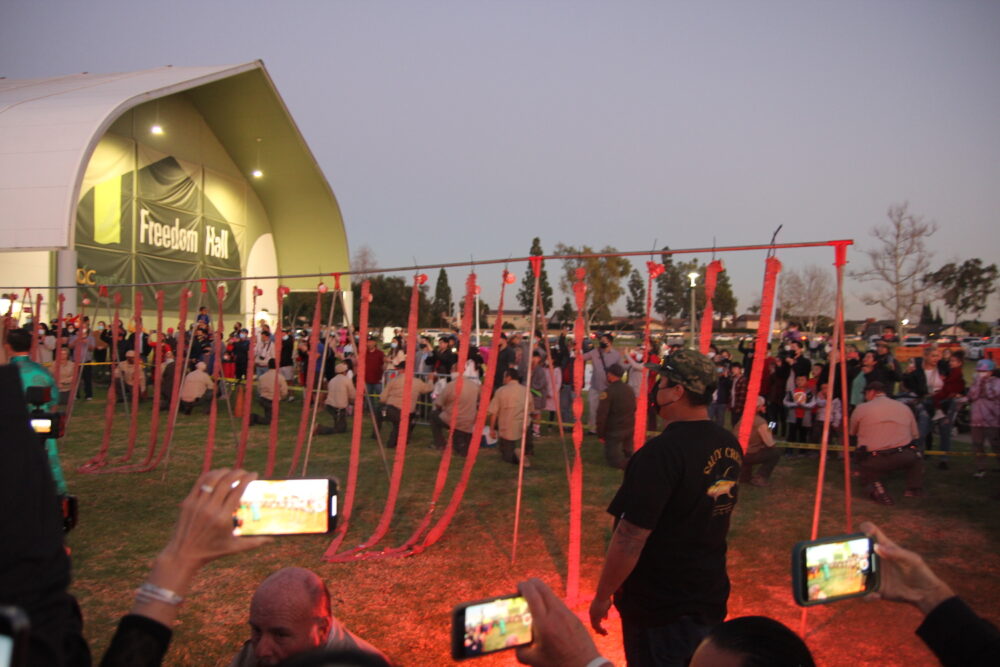
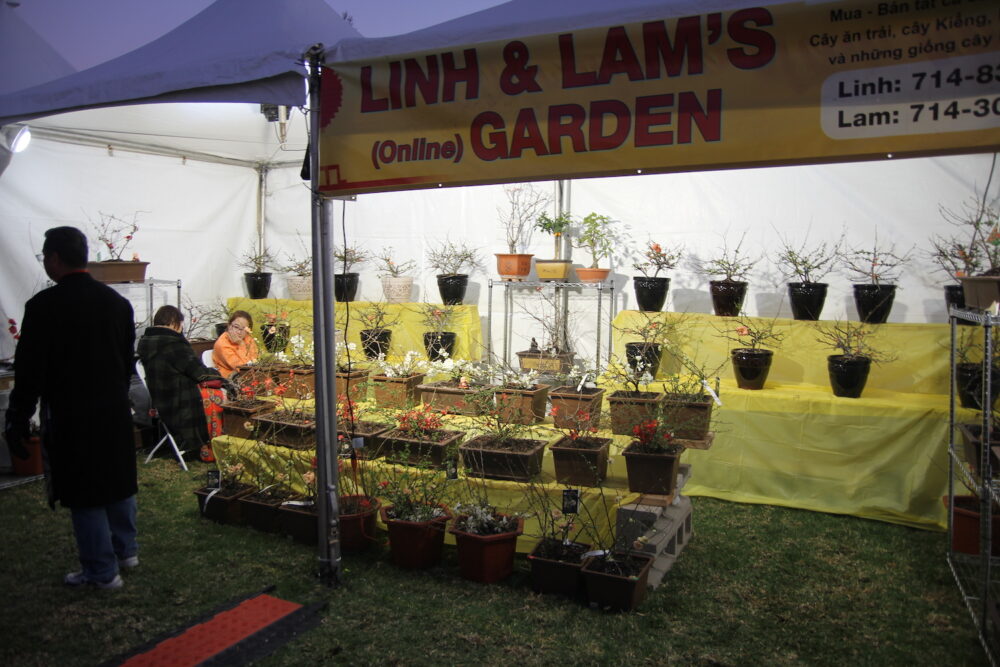
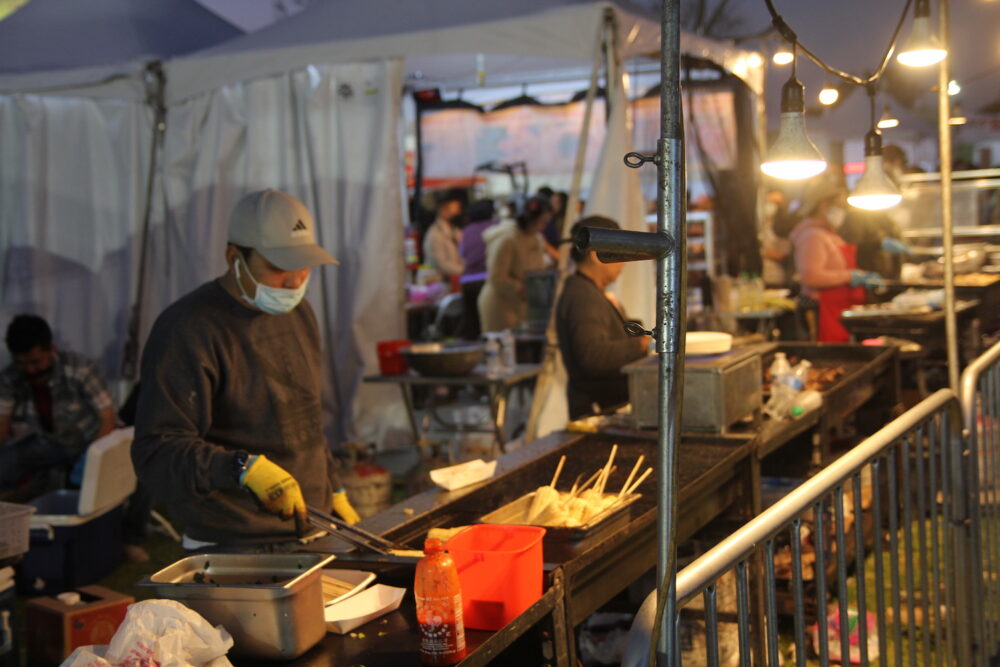
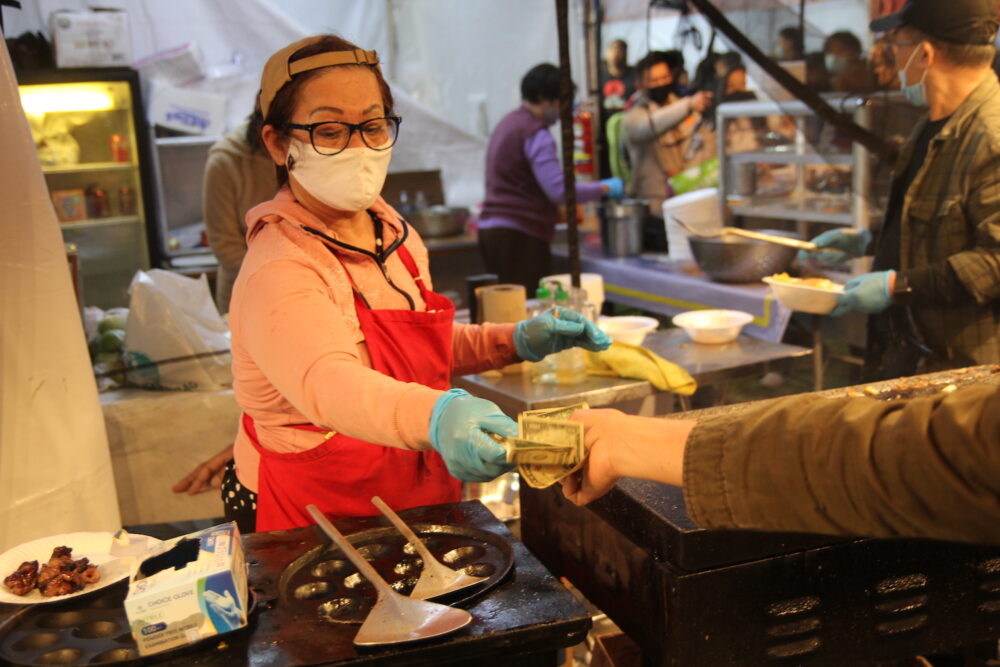
Locally, we had the Orange County (OC) Tết Festival at Mile Square Park hosted by First District Supervisor Andrew Do from Feb. 4 to Feb. 6.
“The OC Tết festival is a wonderful event that celebrates new beginnings, good fortune and prosperity,” Do said. “Families can stop by Mile Square Park the first weekend in February to enjoy traditional Vietnamese food, music and performances as they ring in the New Lunar Year.”
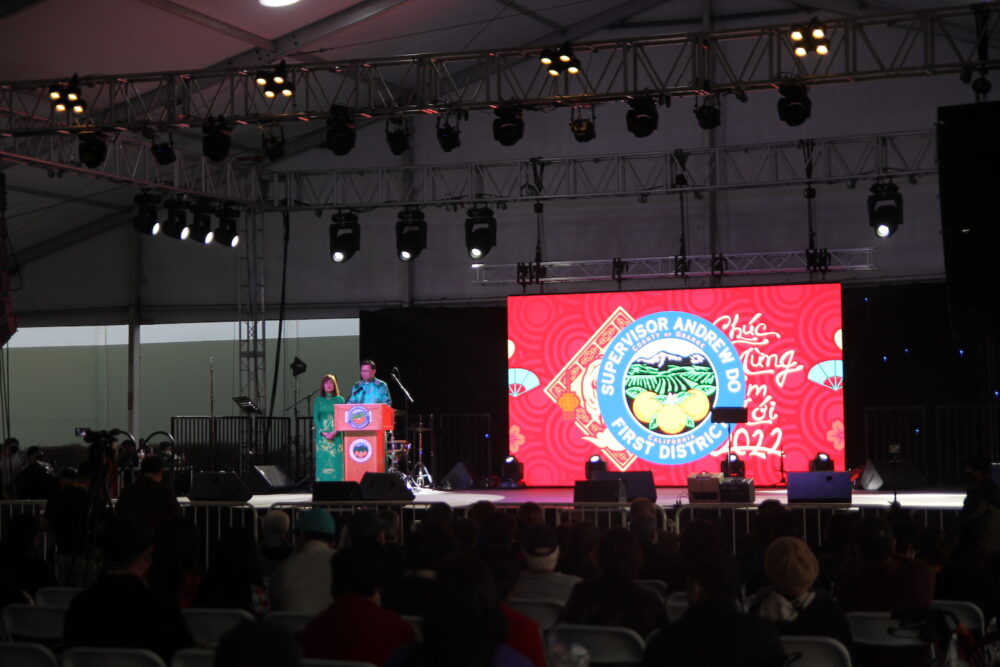
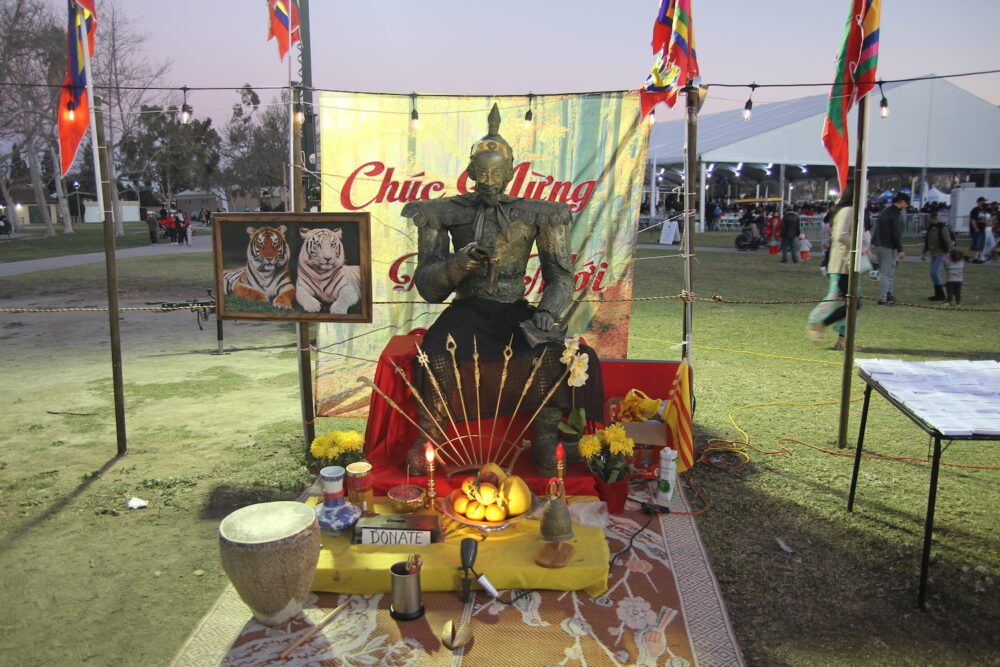
Each Lunar New Year celebration is aligned with one of the 12 Zodiac animals, which are often associated with certain personality traits. 2022 is the year of the tiger, often referring to resilience, courage and optimism.
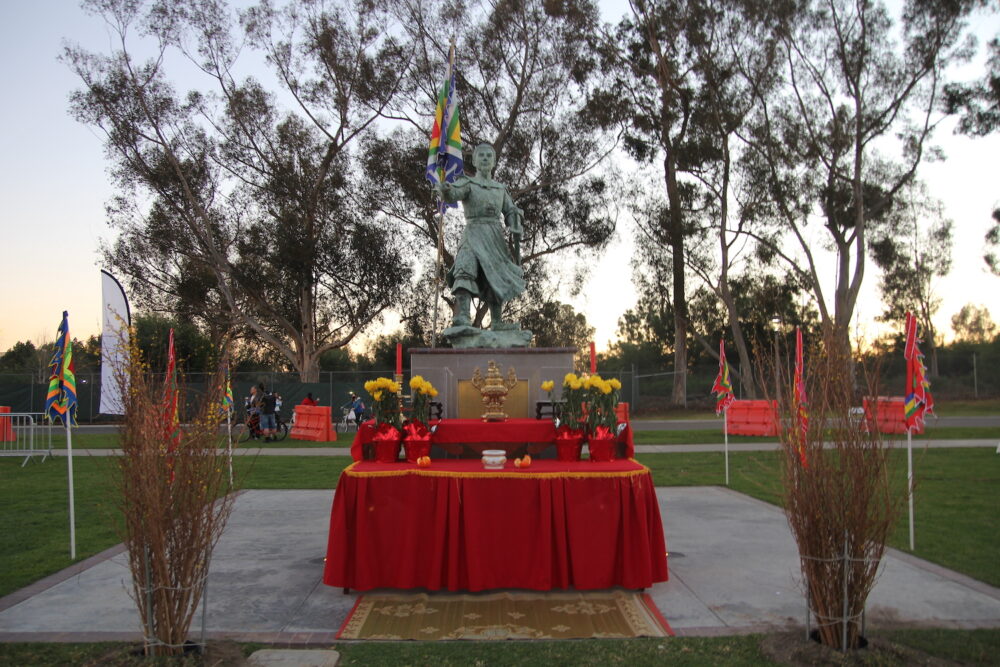
Unlike other cultures that also celebrate the New Year, Lunar New Year incorporates worshipping ancestors as well.
“Ancestor worship is based on the belief that deceased family members have a continued existence—that the spirits of deceased ancestors will look after the family, take an interest in affairs of the world and possess the ability to influence the fortune of the living,” a writer on Nations Online said.
Although the practice may be viewed as religious, for many, it is simply honoring those who have passed through century-old traditions.