
By Sofia Nguyen
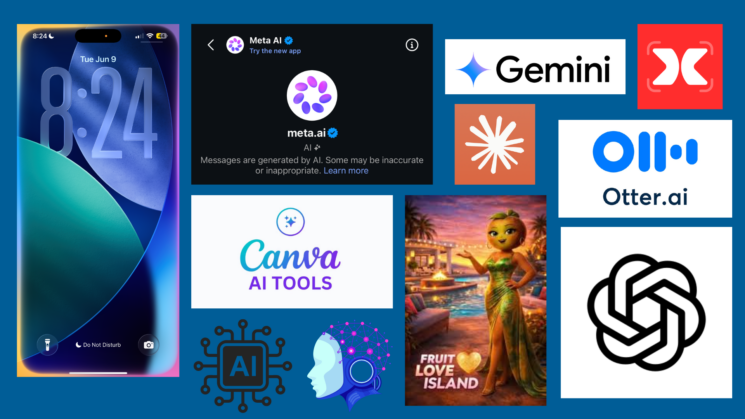
ChatGPT, Google Gemini and Meta AI. These names are all familiar in today’s society, but are they truly benefiting us? When we open Google Docs to write a paper, Google Gemini appears, and as teachers increasingly incorporate AI into their lessons, the concept is nearly impossible to avoid. Are these tools beneficial to society, or detrimental to critical thought?
Currently, over 88% of organizations and well over a billion people globally actively use AI tools for work, learning, and productivity. AI-generated content has become increasingly common on social media platforms such as TikTok. What was once a separate website that students had to seek out is now built directly into the resources they use every day.
While AI can certainly save time, revise and edit writing and generate study materials, many complications arise. Some argue that it can challenge an individual’s credibility, reduce opportunities to develop independent problem-solving skills and create an overreliance on technology. AI data centers require significant amounts of water to cool their systems, raising environmental concerns about resource consumption and their impact on local communities. As AI becomes more integrated into daily life, many users remain unaware of these potential drawbacks.

At Fountain Valley High School, discussions surrounding AI have increasingly focused on academic honesty and responsible use. While schools continue to address concerns about misuse, AI is likely to remain a permanent part of education and society. The question is no longer how to avoid AI, but how to use it responsibly, ethically and in ways that support genuine learning.