
By Evanna Wijono & Jeremy Vu
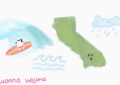
On Sept. 23, 2026, California’s governor Gavin Newsom announced a state of emergency due to an especially strong storm that climate scientists declared a “Super El Niño”. Scientists aren’t positive that one will happen this year, but the odds are steadily increasing.
El Niño is a natural weather pattern that occurs where sea temperatures become substantially warmer than average, causing cycles of warm and cool water in the ocean to drive heat into the atmosphere.
California has had record breaking high temperatures this August due to both climate change and El Niño. While El Niño is normal, and naturally makes temperatures higher, it overlaps with climate change as a result of human impact. This winter, Southern California is expected to experience a severely wet and stormy winter as a result of El Niño’s natural cycle.
According to experts, August has reached record-breaking temperatures of about 62.5 degrees Fahrenheit. Compared to the temperature recorded in August of 2000, which was about 60.69 degrees, this year has a temperature nearly two degrees higher. This may also be caused by factors such as fossil fuel usage.
“While El Nino is starting to ramp up the heat, the underlying driver remains our relentless burning of fossil fuels. Climate change makes every El Nino hotter, and until we stop burning coal, oil and gas these record-shattering months will simply keep on coming,” climate scientist Friederike Otto said.
Early signs of a wet winter can be seen at the beach, where beachgoers have faced high surf, coastal erosion and flooding; giving Californians an idea of what the upcoming winter could look like.
Emergencies are often unexpected. To prepare, have basic necessities on-hand such as unperishable food, bottled water, a first aid kit, flashlights and batteries. Be sure to regularly check local forecast updates and potential risks that could come.