
By Lauren Hyland and Caroline Mora
Inaugurated Jan. 20, Donald Trump entered the White House with controversial ideals, enthusiastic patriotism and unexpectedly Elon Musk. Musk is a billionaire businessman well known for his tech industry breakthroughs and company ownership; however, he has little to no government experience. According to Trump, this background makes him the perfect leader to head the Department of Government Efficiency (DOGE).
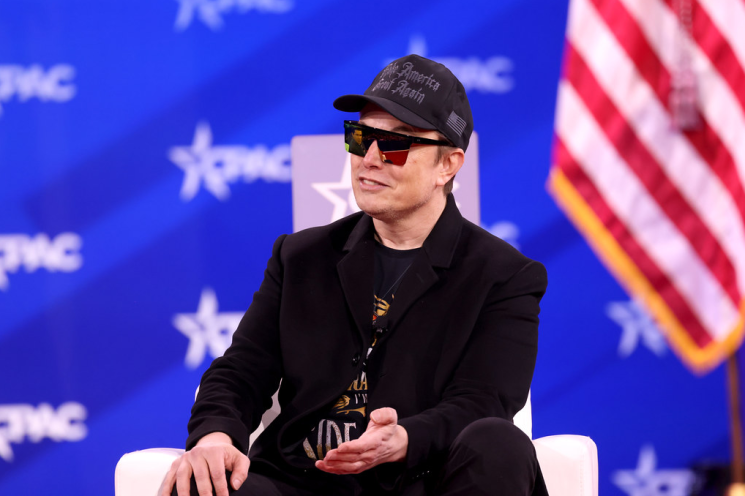
Created alongside Trump’s inauguration, the DOGE initiative aims to reduce federal spending and use modern technology to maximize government efficiency and productivity. In his “Tech Support” T-shirt and “Make America Great Again” baseball cap, Musk stood alongside Trump in the Oval Office, eager to begin his duties.
Musk is categorized as a “special government employee,” someone “who works, or is expected to work, for the government for 130 days or less in a 365-day period,” according to the Department of Justice. Despite this temporary role, his influence on federal operations has been significant, with sweeping changes to multiple government agencies.
Musk’s most controversial move has been massive layoffs within federal agencies due in part to cuts to The National Highway Traffic Safety Administration’s automation division, which oversees vehicle safety regulations for self-driving cars, faced significant cuts. Critics argue that these layoffs prioritize corporate interests over public safety, especially given Musk’s ownership of Tesla, a leader in autonomous vehicle technology.
Beyond staffing changes, Musk has also made bold claims about government spending.
“I think we can do at least $2 trillion,” he said, referring to his goal of cutting back at least $2 trillion from the $6 trillion federal budget.
His cost-cutting efforts, however, have raised concerns about the potential loss of critical public services.
Musk has also brought in engineers from his own companies—many of them young and lacking government experience—to fill key positions within federal agencies. Tied to Musk, these engineers are not public government officials but are given access to sensitive government data they may be unqualified to handle. The appointments have raised legal and ethical concerns, with critics questioning whether Musk’s influence extends beyond his advisory role.
Musk moves beyond his power and the president’s when he threatens to shut down federal agencies. It is the role of Congress to determine the amount of money spent by the executive branch, as granted in the Constitution. The White House has attempted to downplay these concerns, clarifying that Musk is not an official government leader but rather an advisor on efficiency and innovation.
Trump has remained a staunch defender of Musk.
“I’m a person that believes in high IQs, and his is about as high as they get,” Trump said.
While Musk’s intelligence and business accomplishments are widely acknowledged, his presence in the federal government has reignited debates about conflicts of interest. His company, SpaceX, has received substantial federal funding, at least $38 billion, raising questions about whether his influence could steer government contracts in his favor.
Further controversy surrounds Musk’s public statements and online activity. Critics have accused him of amplifying extremist ideals, with some alleging that his remarks and endorsements have dangerously mirrored authoritarian ideologies. These concerns add yet another layer of scrutiny to his already unexpected role in the U.S. government.
As Musk continues his leadership in the Department of Government Efficiency, the long-term impact of his policies remains uncertain. Whether he will achieve his ambitious cost-cutting goals or leave behind a trail of controversy and legal battles is yet to be seen. One thing, however, is clear: his presence in Washington has reshaped the dynamic between tech billionaires and the government to an oligarchical attitude.